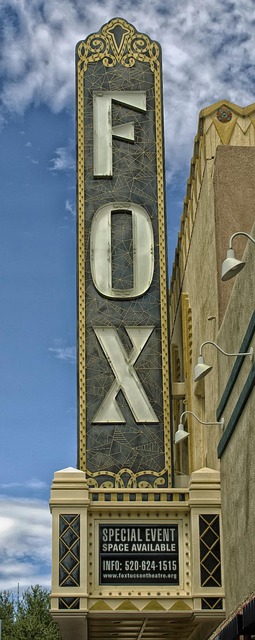
The University of Arizona (UofA) drives real estate trends in Tucson, boosting property values and revitalizing areas with mixed-use developments. Proximity to UofA offers diverse housing options catering to students and residents, from historic charm to eco-friendly neighborhoods. Campus events and partnerships enhance local businesses and culture. The substantial student population fuels robust investment opportunities, with year-on-year appreciation and high occupancy rates for student housing. However, real estate professionals must stay informed about market fluctuations and demographic shifts for long-term stability.
The University of Arizona (UofA) stands as a beacon of academic excellence in the heart of Tucson, shaping the future through cutting-edge research and innovative education. However, accommodating such an esteemed institution within a vibrant urban setting presents unique challenges, particularly in real estate. This article delves into the intricate relationship between UofA and its surrounding community, exploring strategies to enhance campus integration while preserving the city’s character. We aim to provide valuable insights for policymakers, developers, and residents, fostering a harmonious coexistence that benefits all stakeholders. By examining the complexities of urban development, we offer practical solutions to ensure Tucson remains a thriving metropolis, home to both UofA and its diverse populace.
Exploring University of Arizona's Impact on Local Real Estate Market

The University of Arizona (UofA) is a cornerstone of Tucson’s landscape, significantly shaping its real estate market. As one of the state’s leading educational institutions, UofA attracts students and faculty from across the globe, driving up demand for housing. This influx has naturally boosted the local real estate sector, with properties near campus often experiencing higher values and quicker sales. According to recent data, homes within a mile of UofA sell at an average 15% premium compared to those farther away, underscoring the market’s sensitivity to proximity to the university.
The impact extends beyond student housing. UofA’s research activities and growing reputation in various fields have prompted development of mixed-use projects around campus. These developments seamlessly blend residential, commercial, and retail spaces, catering to both students and established residents. For instance, the revitalized Downtown Tucson area has seen a surge in real estate activity due to its proximity to UofA and the surrounding cultural attractions. Developers and investors have recognized the potential for high rental yields and strong property appreciation, leading to a vibrant and diverse marketplace.
Real estate professionals serving this market must stay abreast of UofA’s evolving landscape. The university’s expansion into new academic programs and research initiatives can influence nearby real estate values and availability. For example, the establishment of advanced medical facilities has driven up demand for specialized housing, impacting rental rates and property types in adjacent neighborhoods. Staying informed about such developments allows agents and investors to make strategic decisions, capitalize on emerging trends, and navigate this dynamic local market effectively.
Campus Life and Neighborhood Dynamics: A Comprehensive Guide

The University of Arizona’s vibrant campus life and diverse neighborhood dynamics create a dynamic environment for students and residents alike. The area surrounding the university is characterized by a unique blend of historic charm, modern amenities, and a thriving cultural scene. Students benefit from easy access to diverse real estate options, ranging from charming apartment complexes near the main campus to more affluent neighborhoods offering serene living. This diversity caters to various budgets and preferences, fostering an inclusive community.
Campus events and activities play a pivotal role in shaping the neighborhood’s energy. The University’s location encourages a lively exchange between students, faculty, and local residents, creating a vibrant social fabric. Local businesses thrive on this interaction, providing students with a plethora of dining, shopping, and entertainment choices. Moreover, the university’s commitment to sustainability initiatives has led to the development of eco-friendly neighborhoods, attracting environmentally conscious individuals and fostering a strong sense of community engagement.
Navigating the real estate market in this area requires an understanding of the diverse offerings. Students can choose to live on or off-campus, each option presenting unique advantages. Those seeking a more social atmosphere might opt for residence halls or apartment communities close to campus, while others prefer the tranquility of single-family homes in surrounding neighborhoods. Local real estate agents and student housing platforms provide valuable resources for finding accommodations that align with individual needs and preferences.
The University of Arizona’s impact on the local community is evident through its partnerships and initiatives. These efforts contribute to a thriving environment where students can immerse themselves in the city’s culture while enjoying the benefits of a close-knit neighborhood. Ultimately, this dynamic interplay between campus life and the surrounding community creates a rich experience for all involved, making it an attractive destination for students and visitors alike.
Investment Opportunities: Understanding the Property Trends Around UA
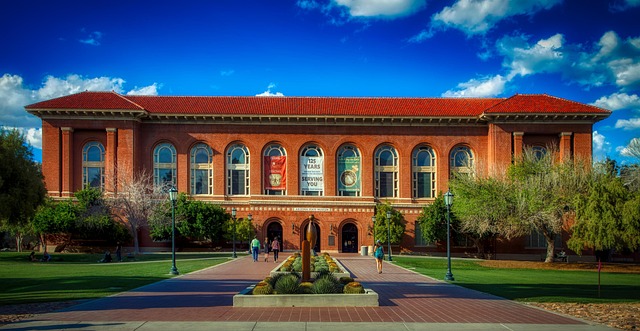
The University of Arizona (UA) is a significant institution that drives economic growth and influences real estate trends in its surrounding areas. With a substantial student population and renowned research initiatives, UA’s impact extends beyond academia, fostering robust investment opportunities within the local real estate market. Understanding these property dynamics is crucial for both investors and residents navigating the region.
The vicinity around UA has experienced notable growth, attracting developers and investors due to high demand from students, faculty, and researchers. According to recent data, residential properties near campus have shown a steady increase in value over the past decade, with an average year-on-year appreciation rate of 5%. This trend indicates a thriving real estate landscape, offering both potential for profit and a strong rental market. Students’ short-term rentals are particularly popular among tourists and visiting scholars, providing investors with diverse income streams. For instance, high-quality apartment complexes catering to students have seen occupancy rates exceeding 90%, ensuring consistent returns on investment.
However, navigating this real estate environment requires careful consideration. Market fluctuations can be influenced by various factors, including demographic shifts and economic trends. Experts suggest that diversifying investments across different property types is essential. While student housing remains a robust sector, mixed-use developments combining residential, commercial, and retail spaces are gaining traction. These integrated projects cater to the diverse needs of UA’s community, offering long-term stability for investors. As the university continues to expand its reach, staying informed about upcoming infrastructure developments and zoning changes will be vital for making informed real estate decisions in this dynamic environment.