The University of Arizona (UA) campus, spanning 417 acres in Tucson, Arizona, is a vibrant hub combining rich history, modern architecture, and stunning natural surroundings. UA offers state-of-the-art research facilities, cultural centers, and recreational areas, attracting students worldwide. The nearby real estate market reflects the welcoming community spirit with historic districts, modern neighborhoods, and diverse housing options.
Tucson's real estate market is driven by its status as a university city, with rising demand for sustainable and efficient housing, particularly in high-density, mixed-use projects downtown. To capitalize, investors should offer diverse housing types, adopt sustainable construction practices, and leverage digital tools.
Securing off-campus housing at UA involves considering diverse Tucson neighborhoods, monitoring rental trends, building relationships with landlords, evaluating safety, transportation, and community amenities, and engaging with local communities. Informed real estate choices significantly shape students' university experiences and encourage exploration of Tucson's vibrant neighborhoods.
The University of Arizona (UA) stands as a beacon of academic excellence within the vibrant landscape of Tucson, Arizona. As one of the region’s premier educational institutions, UA’s growth and success are intrinsically linked to its surrounding real estate environment. Understanding the intricate relationship between the university and its urban setting is crucial for both academics and developers alike. This article delves into the multifaceted dynamics between UA and Tucson’s real estate market, exploring how their interaction shapes not just campus life but also the broader community. By analyzing current trends and potential strategies, we offer valuable insights that could guide future development, ensuring a harmonious balance between academic aspirations and urban vitality.
Exploring the University of Arizona's Campus and Surroundings

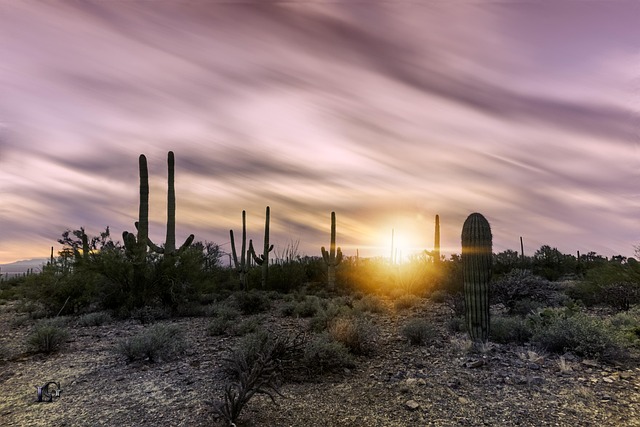
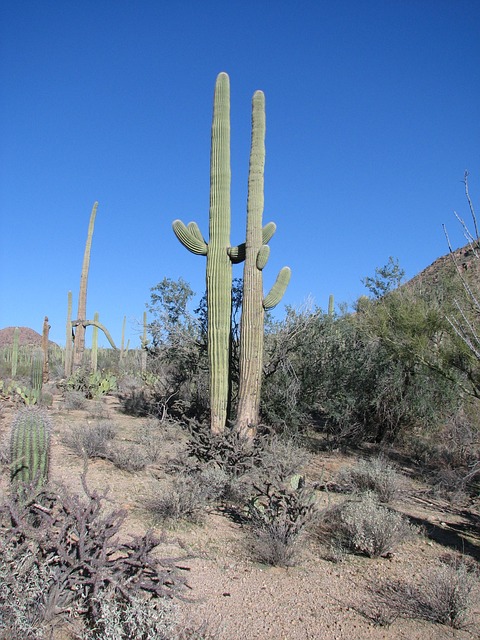
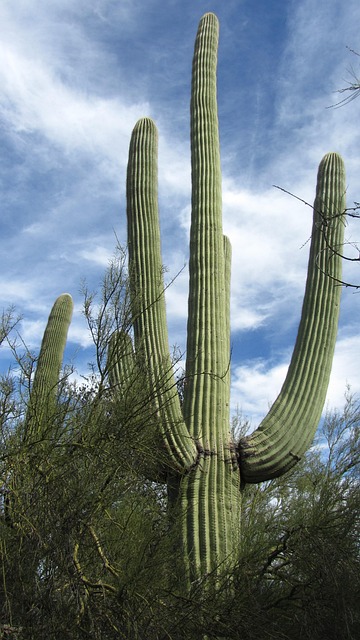
The University of Arizona (UA) campus is a vibrant hub of academic excellence, nestled in the heart of Tucson, Arizona. With its sprawling 417-acre landscape, the university offers students and visitors alike an engaging environment that seamlessly blends rich history, modern architecture, and stunning natural surroundings. Exploring UA’s campus provides a unique opportunity to appreciate not only its world-class educational institutions but also the region’s distinctive real estate character.
From the iconic Main Gate to the picturesque desert gardens, the physical layout invites wanderers to discover hidden gems and architectural marvels. The main academic buildings showcase a blend of classic and contemporary designs, reflecting the institution’s commitment to innovation while honoring its traditional roots. Moreover, the campus boasts state-of-the-art research facilities, cultural centers, and recreational areas that contribute to a dynamic student life. Real estate enthusiasts will find inspiration in the thoughtful planning and diverse offerings, which cater to various academic interests and personal preferences.
Beyond the campus gates, Tucson’s vibrant real estate market adds another dimension to the overall experience. The city’s historic districts, modern neighborhoods, and diverse housing options reflect its welcoming community spirit. Students considering long-term stays can explore nearby residential areas known for their charm, safety, and accessibility to local amenities. This integration of world-class education and desirable real estate makes UA a premier destination, not only for academic pursuits but also as a place to call home.
Real Estate Trends in Tucson: A University City

Tucson, a vibrant university city, has experienced notable real estate trends that reflect its unique blend of academic excellence and desert charm. Home to the University of Arizona, this bustling metropolis has witnessed a steady demand for housing, driving significant growth in the local market. Students, faculty, and professionals alike contribute to a diverse population seeking both residential and commercial spaces. The city’s strategic location, offering easy access to major urban centers while maintaining a relaxed desert lifestyle, further enhances its real estate appeal.
Recent trends indicate a shift towards more sustainable and efficient housing options. Eco-friendly buildings and energy-saving amenities are becoming increasingly popular among tenants and buyers alike. According to the latest market reports, properties featuring smart home technology, solar panels, and water conservation systems command premium prices. Developers are responding by investing in innovative designs that merge modern convenience with Arizona’s natural landscape. For instance, downtown Tucson has seen a surge in high-density, mixed-use projects catering to young professionals and students who value walkability and communal living spaces.
Real estate investors and developers should focus on meeting the evolving needs of Tucson’s diverse population. This includes offering a mix of housing types, from affordable student apartments to luxury condos with breathtaking desert views. Engaging in sustainable construction practices not only aligns with growing environmental consciousness but also ensures long-term property value. Additionally, leveraging digital tools for marketing and remote work opportunities can further enhance the city’s appeal, attracting tech-savvy individuals who appreciate flexibility and a high quality of life. By embracing these trends, Tucson positions itself as an attractive university city with robust real estate prospects.
Student Life and Neighborhoods: Navigating Off-Campus Housing
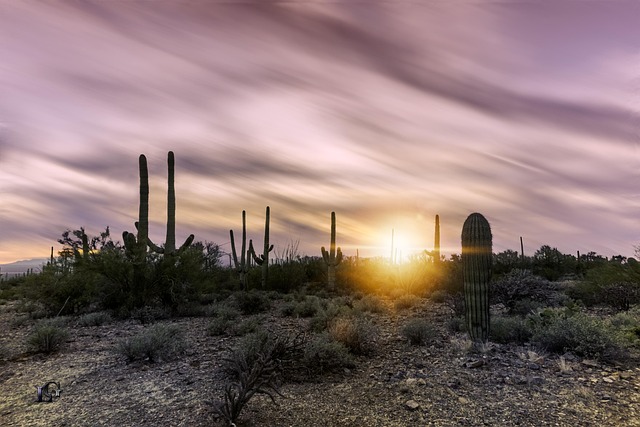
Navigating off-campus housing is a significant aspect of student life at the University of Arizona, offering unique opportunities for growth, community engagement, and exploration. Tucson’s diverse neighborhoods present students with a variety of real estate options ranging from bustling urban centers to quieter residential areas. Understanding these distinct communities is crucial for a fulfilling off-campus experience. Students often seek housing close to campus, taking advantage of the vibrant atmosphere and convenience. The University District, for instance, is popular for its mix of students, restaurants, and shops, providing easy access to academic facilities and social hotspots.
When considering real estate in these areas, students should be mindful of rental trends and market fluctuations. According to recent data, average rent prices in Tucson have been steadily rising, especially near campus, due to high demand from students and young professionals. This dynamic market demands proactive searching and strategic planning. Students can leverage online resources and local real estate agencies for early access to listings and insider knowledge about neighborhood dynamics. Building relationships with landlords and property managers can also provide an edge in securing desirable accommodations.
To ensure a positive off-campus experience, students should weigh factors beyond proximity. Safety, transportation options, and community amenities significantly influence their quality of life. Exploring neighborhoods with well-maintained infrastructure, efficient public transport links, and access to essential services can enhance overall satisfaction. Engaging with local communities through student organizations or volunteer work can foster a sense of belonging and make the transition from on-campus to off-campus living smoother. Ultimately, informed decisions about off-campus housing can shape students’ university experiences, encouraging them to embrace the full spectrum of Tucson’s vibrant neighborhoods.