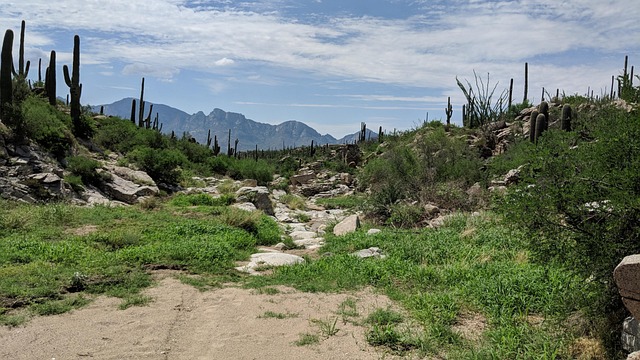
Outdoor enthusiasts drawn to desert challenges discover rich history, indigenous cultures, and pristine real estate. Planning is paramount for safe experiences: understand local weather, acquire permits, respect ecosystem fragility. Desert trails offer unique sensory, psychological, and spiritual encounters demanding advanced navigation, water management, mental conditioning, proper gear, extensive planning, and responsible tourism practices.
Outdoor enthusiasts drawn to desert trails represent a growing segment seeking authentic, immersive experiences in natural landscapes. While the allure of these environments is undeniable, the rapid development of real estate across scenic regions poses significant challenges. The influx of visitors strains existing infrastructure, threatens ecological balance, and disrupts local communities. This article delves into strategies for sustainable management, exploring innovative solutions that prioritize conservation, enhance visitor experiences, and support surrounding economies, ensuring desert trails remain vibrant and accessible for future generations.
Discovering Desert Trails: A Calling for Adventurers

For outdoor enthusiasts seeking unique challenges, the vast deserts present an allure that’s hard to resist. These arid landscapes, often overlooked in favor of lush landscapes, offer a distinct adventure filled with breathtaking views and untapped potential. Desert trails, stretching across sand dunes, rocky terrain, and ancient oases, beckon adventurers to explore their resilience and embrace the solitude.
Discovering these hidden gems requires more than just a compass; it’s about understanding the ecosystem and the real estate of the desert. Experienced hikers recognize that each trail tells a story—of historical trade routes, indigenous cultures, and geological wonders. For instance, the Silk Road, an ancient network connecting Asia and Europe, left its mark on desert landscapes, with trails still passable today. This rich history adds depth to the adventure, allowing enthusiasts to connect with the past while navigating challenging terrain.
Practical insights for planning a desert trail journey are key. Adventurers must research local conditions, as weather patterns can shift dramatically. Knowing the best times to visit ensures optimal experiences and safety. Additionally, acquiring permits for certain trails is essential, especially in protected areas where real estate development is strictly regulated. For instance, the Grand Canyon, a renowned desert destination, requires permits for backcountry hiking due to its fragile ecosystem. Embracing these practices ensures a responsible and enriching experience.
The Allure of Sand and Stone: Why Nature's Real Estate Entices Outdoor Enthusiasts

The desert, with its vast expanses of sand and stone, has long captivated outdoor enthusiasts seeking a unique challenge and connection with nature’s real estate. This allure goes beyond just the physical beauty; it’s a combination of the sensory, psychological, and even spiritual experiences that draw adventurers into these arid landscapes. The distinct textures of gravel underfoot, the caress of warm sand, and the stark contrast of rock formations create a multi-dimensional appeal that conventional outdoor activities can’t match.
Nature’s real estate offers a profound sense of solitude and tranquility, allowing enthusiasts to disconnect from daily life and immerse themselves in a world stripped of distractions. Desert trails, often less trodden, provide an opportunity for exploration and discovery, with each turn revealing new vistas and hidden gems. The vastness of the desert also fosters a sense of insignificance, humbling adventurers while encouraging them to embrace the unknown—a stark contrast to the structured and often crowded urban environments they leave behind.
Practical insights for outdoor enthusiasts navigating these trails include carrying adequate water and protection from the sun, as well as developing skills in navigation and self-reliance. Many desert regions are home to diverse ecosystems and unique wildlife, making it crucial for adventurers to respect local regulations and practice responsible tourism. Ultimately, the pull of sand and stone is not just a trend but an enduring fascination that connects outdoor enthusiasts to some of Earth’s most pristine and captivating real estate.
Mastering Desert Trekking: Skills and Preparedness Essential
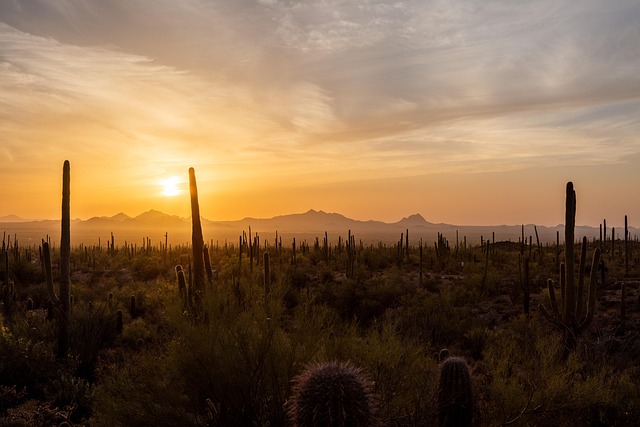
For outdoor enthusiasts seeking new challenges, desert trails offer a captivating yet demanding realm to explore. Mastering desert trekking demands a unique set of skills and preparedness, as these environments present distinct challenges compared to more temperate landscapes. The vast, often remote, nature of deserts necessitates adventurers be self-sufficient and adept at navigating unpredictable conditions.
Essential skills include advanced navigation techniques, as GPS signals may be unreliable in the Real Estate of rugged terrain and deep canyons. Comprehensive knowledge of desert flora and fauna is also critical; recognizing potentially dangerous species and understanding the local ecosystem’s delicate balance is paramount. Water management becomes a key focus; carrying adequate supplies and knowing how to purify water sources are vital skills, as dehydration poses a significant risk in these arid environments.
Practical preparation goes beyond gear; mental and physical conditioning is paramount. Trekkers should train for endurance, acclimatize to hot conditions, and develop resilience against potential solitude. Carrying essential tools like compasses, sun protection, and first-aid kits is non-negotiable. Expert advice emphasizes the importance of planning extensively, considering weather patterns, and always informing others of intended routes—a crucial safety measure in an environment where rescue can be logistically challenging.