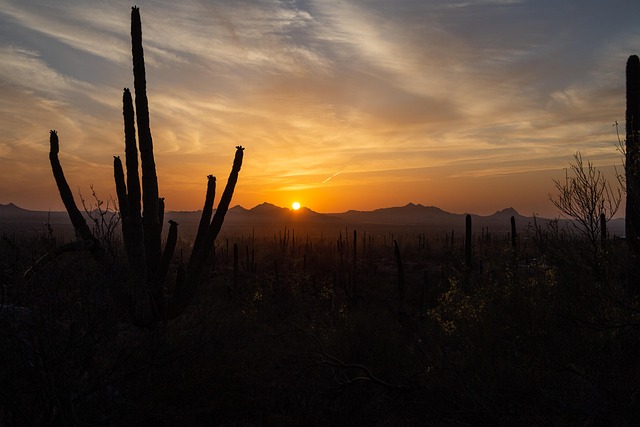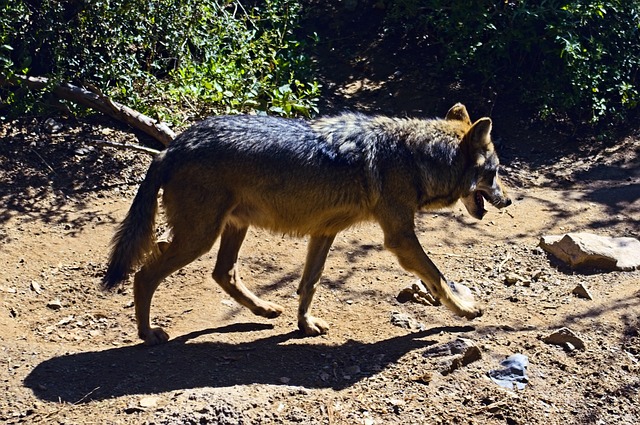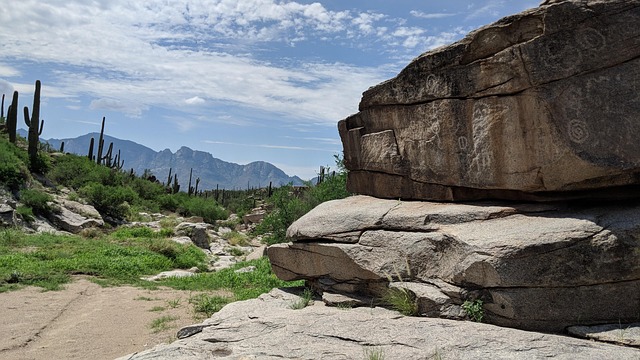
Desert trails attract adventurers seeking silent beauty and challenge. Planning is crucial due to vast distances, minimal water, and unpredictable weather. Start near urban centers, use guidebooks, and learn local knowledge. Carry adequate hydration, gear, and clothing layers. Mastering navigation, understanding topographical features, and knowing survival skills ensure safe desert adventures in unique real estate. Survival training equips adventurers for emergencies, fostering responsible exploration.
Outdoor enthusiasts drawn to desert trails represent a growing demographic seeking authentic, challenging experiences in remote landscapes. This trend underscores a profound shift towards reconnecting with nature amidst urbanization and technological advancement. However, the allure of these pristine environments presents challenges regarding access, conservation, and infrastructure development. Real estate naturally plays a pivotal role here, not just through land acquisition but also by fostering sustainable practices and responsible stewardship. This article delves into these complexities, offering insights into how effective management can preserve desert trails while enhancing their accessibility for future generations of adventurers.
Discovering Desert Trails: A Calling for Adventurers

For outdoor enthusiasts, desert trails represent a captivating frontier, beckoning adventurers with their silent beauty and challenging terrain. Unlike their vibrant counterparts in lush forests or snow-capped mountains, desert paths often fly below the radar, yet they offer unique experiences that cater to the most seasoned trekkers. The allure of these hidden routes lies not only in their remote locations but also in the chance to connect deeply with nature’s raw power.
Discovering desert trails requires a shift in perspective—one that embraces silence and solitude as the hallmarks of this wild real estate. Unlike popular hiking hotspots, desert landscapes offer minimal human interference, allowing visitors to immerse themselves in an ancient world where time seems to slow down. This sense of tranquility is further amplified by the unique challenges these trails present, from navigating sandy inclines to deciphering cryptic rock formations—a far cry from well-marked forest paths.
Practical considerations are paramount for a successful desert trail experience. Adequate preparation includes meticulous planning, as some routes can span vast distances with minimal water sources. Carrying sufficient hydration and specialized gear designed for arid environments becomes crucial. Additionally, understanding local weather patterns is essential, as intense heat during the day can quickly give way to chilly nights, requiring layers of clothing and insulation.
Experts advise that novice desert hikers start small, exploring well-maintained trails near urban centers, gradually venturing into more remote areas. Guidebooks and online forums offer valuable insights, sharing secret stashes of hidden gems—trails that avoid the crowds but still provide breathtaking vistas. Engaging with local communities can also yield unexpected rewards, as they often possess deep knowledge about these untamed landscapes, passing down stories and tips from generation to generation.
Navigating Real Estate: The Unique Challenges of Deserts
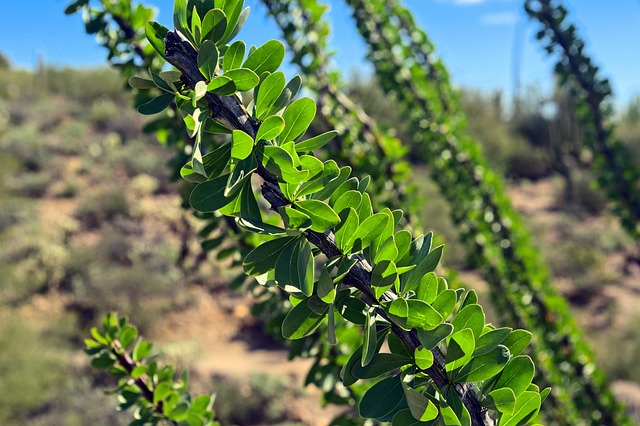
Outdoor enthusiasts often seek challenging landscapes to test their skills and appreciation for nature. Deserts, with their vast expanses of Real Estate, present a uniquely demanding environment for adventurers. The diverse terrain, ranging from rocky outcrops and sand dunes to dry riverbeds and canyons, requires adept navigation skills. One misstep could lead to disorientation in these featureless landscapes where landmarks are scarce and natural markers subtle.
Navigating desert trails demands a comprehensive understanding of topographical features and an awareness of one’s position. GPS devices and maps are essential tools, but desert conditions can interfere with satellite signals, making manual navigation skills indispensable. Experienced adventurers learn to interpret the terrain, using the sun’s position, shadows, and natural landmarks to orient themselves. For instance, in the vast Sahara Desert, where tracks may be invisible for miles, recognizing patterns of sand dunes or following the course of dry riverbeds can guide travelers back to their starting point.
Real Estate in deserts also presents challenges related to water sources and shelter. Water is scarce, requiring careful planning and efficient hydration strategies. Adventurers must know how to locate oases, interpret water stains on the ground, and understand the behavior of desert wildlife in relation to water sources. Shelter can be hard to come by; high temperatures during the day and frigid nights necessitate knowledge of natural rock formations or vegetation that offer protection. Expert desert navigators learn to identify these resources, ensuring safe passage and a more enjoyable outdoor experience.
Enhancing Survival Skills: Preparedness for Outdoor Enthusiasts

Outdoor enthusiasts who venture into desert landscapes often do so with a sense of awe and adventure, drawn to the unique beauty and challenges these remote areas present. However, navigating these harsh environments demands a heightened state of preparedness, especially when it comes to survival skills. The vast, untamed real estate of deserts offers both breathtaking vistas and potentially treacherous conditions, necessitating a comprehensive understanding of survival techniques for anyone exploring its trails.
For outdoor enthusiasts, enhancing survival skills is not merely an option but a responsible necessity. Desert environments pose specific challenges, such as extreme temperatures, scarce water sources, and unpredictable terrain. A well-prepared adventurer is more than a tourist; they are a survivor equipped to handle unexpected emergencies. This preparation includes acquiring knowledge about local flora and fauna, understanding navigation techniques, and mastering essential skills like fire-starting and shelter building. For instance, learning to recognize edible plants native to the desert can provide much-needed sustenance during prolonged treks.
Practical insights from experts emphasize the importance of layering clothing for temperature regulation, carrying adequate water purification tablets, and always having a reliable navigation tool. Additionally, understanding how to create a temporary shelter using natural materials can offer protection from sun, wind, or sandstorms. Many survival courses now incorporate desert-specific training, ensuring that adventurers are equipped with the right mindset and tools. Ultimately, enhancing survival skills transforms outdoor enthusiasts into responsible explorers who can appreciate and respect the unique landscapes they visit.