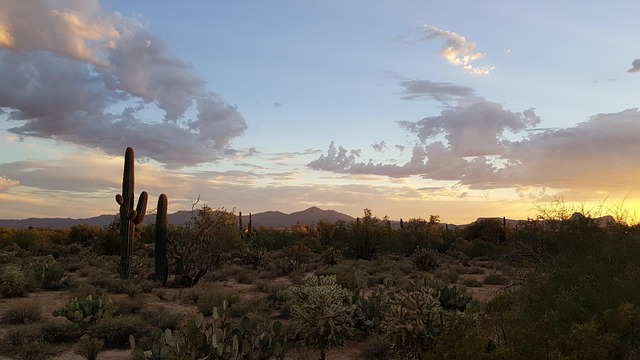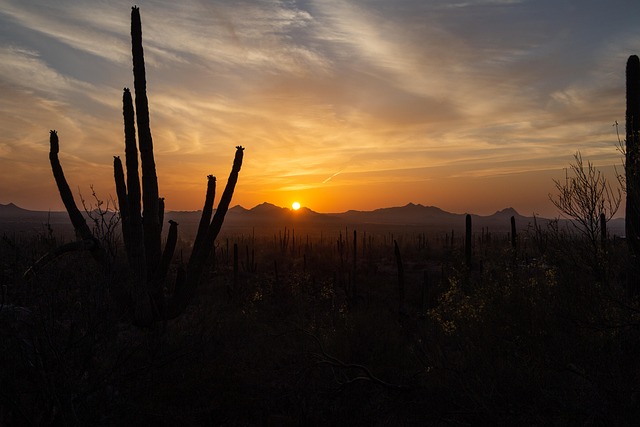
Deserts present outdoor enthusiasts with unique challenges and raw beauty, demanding careful planning to navigate their vast, rugged real estate. Key considerations include weather, trails, packing, safety, and knowledge of local flora and fauna. Proper preparation reveals natural wonders, fosters solitude, and creates unforgettable memories amidst desert expanses.
Outdoor enthusiasts seeking challenging landscapes are increasingly drawn to desert trails, transforming the way we perceive these arid regions. While the allure of pristine wilderness is undeniable, rapid urbanization and real estate development pose significant threats to these fragile ecosystems. This article delves into the unique challenges faced by adventurers navigating desert terrains, highlighting the delicate balance between outdoor recreation and conservation efforts. We offer insights on how responsible tourism practices and strategic land management can preserve these natural treasures for future generations while catering to the growing demand for outdoor adventures.
Discovering Desert Trails: A Call for Outdoor Adventurers

For outdoor enthusiasts seeking a unique challenge, the vast deserts offer an enticing call. These arid landscapes, often overlooked, boast an extensive network of trails that cater to adventurers looking for a different kind of expedition. The allure lies not only in the physical demands but also in the chance to immerse oneself in nature’s raw beauty, far from the hustle and bustle of everyday life. Desert trails provide a diverse experience, ranging from rugged mountain ranges to vast sandy dunes, each presenting its own set of challenges and rewards.
Discovering these hidden gems requires a shift in perspective and an understanding that real estate isn’t just about urban landscapes. The desert, with its expansive open spaces, offers a different kind of terrain for exploration. Adventurers must embrace the solitude and prepare for unpredictable conditions. Well-planned trips can ensure a safe and enriching experience. Researching local trails, understanding weather patterns, and packing appropriately are essential steps. Many online communities and guidebooks provide valuable insights, sharing routes, potential hazards, and hidden oases that make each trek memorable.
To maximize the adventure, consider joining organized groups or seeking expert guidance for your first desert trail expedition. This not only enhances safety but also allows you to learn from seasoned enthusiasts who can offer practical tips on navigation, water conservation, and wilderness survival skills. With proper preparation, outdoor lovers can unlock a world of natural wonders, creating unforgettable memories amidst the vast, silent expanses of the desert.
Navigating Real Estate: The Unique Challenges of Desert Terrain

Outdoor enthusiasts drawn to desert trails face unique challenges when navigating real estate—the rugged and ever-changing landscape of dry riverbeds, steep sand dunes, and rocky outcrops. Unlike lush forests or rolling hills, desert terrain demands a heightened awareness of one’s surroundings, as missteps can lead to rapid disorientation. The absence of consistent vegetation for orientation means hikers must rely heavily on topographical maps and GPS devices, while also developing keen observational skills to decipher subtle landmarks.
One of the primary difficulties is the unpredictable nature of sand movement. Even well-trodden paths can change course over time as wind and weather shift sands, making it crucial for adventurers to constantly reassess their routes. Additionally, deep crevices and hidden rocks often lurk beneath the surface, posing significant hazards that require meticulous footwork and careful consideration of each step. For example, a study by the U.S. Geological Survey found that up to 25% of desert hikers suffer injuries annually due to misjudging sand dune stability or encountering unforeseen obstacles.
Practical insights for navigating these challenges include bringing specialized equipment designed for desert conditions, such as lightweight, multi-purpose tools that can assist with climbing and digging in case of unexpected traps. Staying hydrated and wearing appropriate footwear are also paramount. Experts recommend carrying at least 3 liters of water per person for each day of hiking, along with sturdy boots that offer adequate ankle support to navigate uneven terrain. Furthermore, traveling in groups and sharing tracking data or maps can enhance safety by allowing for better communication and faster response times in case of emergency situations.
Embracing the Wilderness: Tips for a Memorable Desert Hike

For outdoor enthusiasts drawn to desert trails, embracing the wild landscape offers a unique challenge and rewards system all its own. The vast, untouched real estate of deserts presents an opportunity for solitude and profound connection with nature that urban environments cannot match. However, navigating these harsh ecosystems demands careful preparation and knowledge to ensure a memorable experience that respects both the environment and personal safety.
A key aspect of a successful desert hike is understanding the unique conditions. Unlike lush forests or verdant meadows, desert terrain presents challenges like extreme temperature fluctuations, limited water sources, and potentially treacherous terrain. Proper footwear, lightweight yet protective clothing, and sufficient hydration are non-negotiable. Carrying a comprehensive first aid kit tailored for desert environments is also crucial, as is knowing how to navigate using the sun and stars when cell phone reception is sparse or nonexistent.
Real Estate plays a critical role in desert hikes: knowledge of local flora and fauna becomes your most valuable asset. Learning to identify edible plants can supplement your hydration and nutrition. Conversely, understanding the habits of local wildlife ensures you avoid unexpected encounters that could become dangerous. Many deserts are home to diverse species adapted to harsh conditions, some of which can be venomous or aggressive if disturbed. Respecting their space and knowing how to respond appropriately is vital for a safe adventure.
Lastly, planning your route in advance, considering potential hazards, and setting realistic goals are essential for a memorable desert hike. Stay on marked trails where possible to minimize environmental impact and avoid getting lost. Keep a journal of your journey, documenting not just the physical challenges overcome but also the profound beauty witnessed – from vast sand dunes to rugged rock formations – as these moments will become cherished memories long after the trip ends.