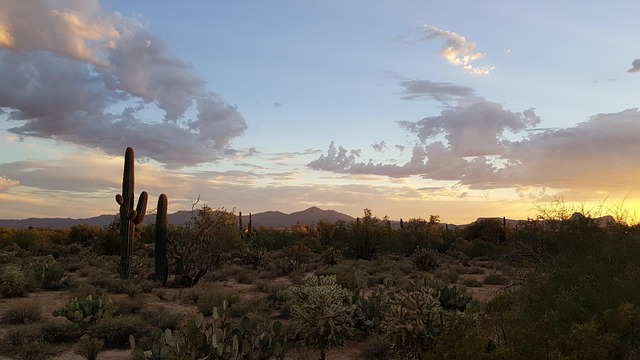
Deserts offer unique real estate for outdoor enthusiasts, demanding preparation and respect. Key insights include thorough trail research, joining groups/consulting rangers, suitable gear, patience, adaptability, water management, self-sufficiency, and emergency preparedness. Master desert environments for skill development and profound natural encounters while preserving ecosystems like Grand Canyon National Park.
Outdoor enthusiasts drawn to desert trails represent a growing demographic within the active lifestyle movement. These adventurers seek untouched landscapes and challenging terrains, yet the rapid expansion of urban centers and industrial development threatens their natural real estate. This burgeoning conflict highlights the urgent need for sustainable conservation strategies that balance outdoor recreation with environmental stewardship. By exploring innovative solutions, from protected reserves to responsible tourism initiatives, we can ensure these desert oases remain intact for future generations to explore and appreciate.
Discovering Desert Trails: A Call for Outdoor Adventurers

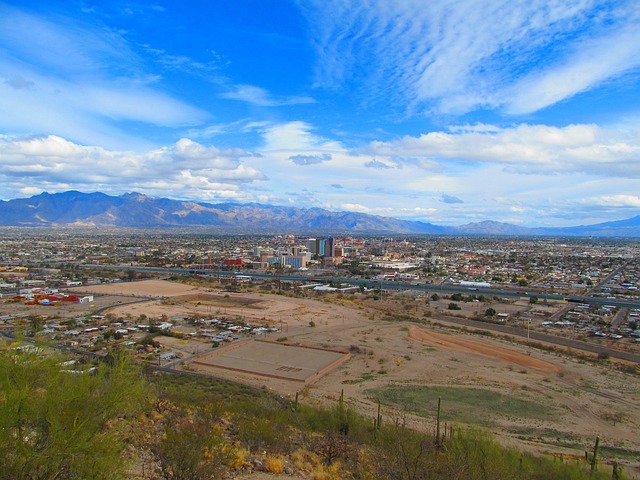
Outdoor enthusiasts drawn to desert trails are not just seeking a change of scenery; they’re embarking on a journey through some of Earth’s most unique and untapped real estate. The allure of vast, arid landscapes offers a stark contrast to lush forests or snow-capped peaks, presenting distinct challenges and rewards that captivate adventurers. These trails serve as veins cutting through the heart of deserts, revealing hidden oases, ancient geological formations, and biodiversity often unseen in other ecosystems.
Discovering desert trails is more than just a physical pursuit; it’s an immersive experience that demands preparation and respect for the environment. Unlike well-trodden paths in popular national parks, many desert trails are less explored, offering a sense of solitude and adventure. However, this also means navigating challenging terrain, extreme temperatures, and unpredictable weather conditions. Outdoor adventurers should prioritize adequate hydration, protective clothing, and knowledge of survival techniques specific to desert environments.
Practical insights for those seeking these adventures include thoroughly researching trail difficulty, seasonality, and local regulations before setting out. Joining outdoor groups or consulting with park rangers can provide valuable guidance and insider tips. Furthermore, investing in high-quality gear designed for heat dissipation, sun protection, and efficient hydration is crucial. Remember, the desert’s beauty is often hidden beneath the surface; patience and adaptability will reveal a symphony of natural wonders that make these trails well worth exploring.
Navigating Real Estate: The Unique Challenges and Rewards

Outdoor enthusiasts who venture into desert landscapes often find themselves captivated by the vast, rugged real estate that unfolds before them. Navigating these unique environments presents a set of challenges distinct from those encountered in more verdant territories. The terrain is often characterized by steep ascents and descents, loose sand, and unpredictable weather patterns, demanding a high level of physical preparation and adaptability from trailblazers.
One of the key considerations for desert hikers is water management. Unlike lush forests or mountainous regions, water sources in arid environments are scarce and often unpredictable. Participants must learn to efficiently navigate and carry adequate supplies, understanding that every sip is earned through the demanding nature of the terrain. Proper planning and knowledge about local water holes and streams can make all the difference in ensuring a safe and enjoyable experience.
Moreover, the real estate of deserts offers a unique opportunity for solitude and connection with nature. With vast open spaces and minimal human interference, these landscapes provide a sense of tranquility that is hard to come by in more developed areas. However, this remoteness also means hikers must be self-sufficient and prepared for potential emergencies. Carrying essential survival gear, knowing navigation techniques specific to desert conditions, and being mindful of wildlife encounters are crucial aspects of responsible exploration. Expert advice recommends always informing someone of your itinerary and expected return time, especially when venturing into less-traveled areas.
By embracing the challenges and rewards inherent in navigating desert real estate, outdoor enthusiasts can transform their adventures into profound experiences. The skill-building process involved in mastering these unique environments fosters a deeper connection with nature and prepares adventurers for diverse and potentially life-changing encounters.
Embracing the Wilderness: Tips for a Memorable Journey
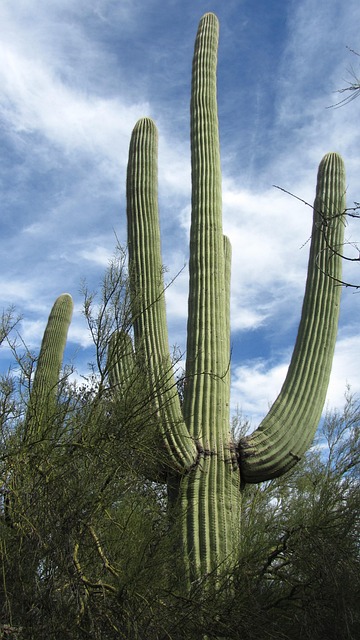
For outdoor enthusiasts, the desert offers a unique allure—a vast expanse of untouched real estate naturally lends itself to adventurous exploration. When embarking on a journey through these rugged landscapes, embracing the wilderness becomes an art form. A memorable desert trek demands more than just physical preparation; it requires a deep connection with and understanding of the natural environment. Herein lie several tips to ensure a profound and safe experience for those daring to explore these arid trails.
First, permit access through proper channels. Many protected areas require permits for hiking or camping, ensuring responsible use and preserving the ecosystem. For instance, the Grand Canyon National Park mandates permits for backcountry adventures, allowing park rangers to manage visitor impact. Next, anticipate unpredictable weather conditions. Desert climates can shift dramatically; a sunny day might turn chilly at night. Layered clothing, waterproof gear, and adequate sun protection are essential items for any desert expedition. Additionally, stay hydrated. Carrying enough water is paramount, as dehydration is a significant risk in arid environments. For longer treks, consider using a hydration pack for easy access.
Navigating the desert requires knowledge of survival skills and an understanding of natural resources. Learn to identify edible plants and safe sources of water. Foragers should be cautious; many desert plants are not suitable for consumption. Instead, focus on discovering natural water holes or learning techniques like rainwater collection. Lastly, embrace minimalism. The wilderness offers a chance to disconnect from modern conveniences. Pack light, leaving no trace behind, ensures the next traveler enjoys the same pristine experience. By following these guidelines, outdoor enthusiasts can navigate and appreciate the desert’s beauty while fostering a profound connection with nature.