Southern Arizona's real estate market is driven by its rich cultural diversity, blending Native American, Mexican, and American influences. This diversity manifests in architecture, cuisine, arts, and history, attracting residents and visitors alike. Real estate trends include mixed-use communities, sustainable building practices, and increasing property values. The region's cultural appeal, historical landmarks, and artistic scene enhance its real estate value proposition, positioning it as a thriving cultural heartland.
Southern Arizona stands as a cultural heartland, vibrant with diverse communities, rich history, and breathtaking landscapes. Yet, navigating its real estate market poses challenges, from preserving historic sites to accommodating rapid growth. This article delves into the intricate tapestry of this region’s cultural landscape, exploring solutions that balance development with heritage preservation. By examining innovative strategies in urban planning and real estate practices, we aim to foster sustainable growth while honoring Southern Arizona’s indelible soul. Through this comprehensive guide, professionals and enthusiasts alike will gain valuable insights into harnessing the transformative power of this unique destination.
Unveiling Southern Arizona's Cultural Diversity

Southern Arizona stands as a vibrant testament to cultural diversity, where a rich tapestry of traditions, languages, and customs intertwine across its expansive landscapes. This region, encompassing cities like Tucson and the vibrant metropolitan area around Phoenix, has long been a melting pot, attracting folks from diverse backgrounds seeking both opportunity and a unique lifestyle. Understanding this dynamic is crucial when considering real estate investments or simply appreciating the area’s deep-rooted character. The cultural diversity here isn’t merely a superficial attribute but rather a cornerstone of its identity, shaping everything from culinary delights to artistic expressions and community events.
The region’s history as a crossroads of indigenous cultures, Spanish colonization, Mexican heritage, and subsequent waves of American and international migration has fostered an environment where traditions thrive. Local festivals, such as the Tucson Folk Festival and various Dia de los Muertos celebrations across the valley, showcase this blend of cultural influences. Furthermore, the presence of numerous Native American tribes, including the Pima, Tohono O’odham, and Navajo, ensures that ancient customs and art forms remain vibrant, with many community members actively preserving these legacies through dance, weaving, and storytelling. This commitment to cultural preservation naturally translates into a thriving arts scene, with galleries showcasing indigenous art alongside contemporary pieces, reflecting the area’s dynamic creative spirit.
When it comes to real estate, this cultural diversity is evident in the architecture, culinary offerings, and neighborhood dynamics. Historic neighborhoods like Tucson’s historic downtown display a mix of architectural styles, from Victorian to Spanish Colonial Revival, reflecting the region’s diverse past. Local markets and restaurants cater to a wide array of palates, with authentic Mexican, Native American, and Asian cuisine easily accessible. As the population continues to grow and diversify, Southern Arizona’s ability to embrace and celebrate its cultural heritage will remain a key factor in its appeal for residents and visitors alike, shaping its real estate market and community fabric.
Real Estate Trends in This Flourishing Heartland
Southern Arizona has emerged as a cultural heartland, attracting a diverse mix of residents with its vibrant arts scene, rich history, and stunning natural landscapes. This flourishing region is also experiencing significant real estate trends that reflect both its unique character and broader economic vitality. The state’s robust growth in industries like technology, healthcare, and tourism has translated into increased demand for housing, driving up property values and sparking innovation in real estate development.
One notable trend is the rise of mixed-use communities, where residential, commercial, and recreational spaces seamlessly integrate. These urban infill projects cater to a new generation of buyers seeking walkable, sustainable environments. For instance, the revitalized downtown Tucson area has seen a surge in high-density apartment complexes and boutique shops, reflecting a growing desire for compact living close to cultural amenities. According to recent data from the Arizona Association of Realtors, median home prices in Pima County have increased by over 20% in the past five years, underscoring the strong market dynamics at play.
Real estate developers are also embracing sustainable building practices, aligning with Arizona’s commitment to environmental stewardship. Solar panels, energy-efficient appliances, and green landscaping are becoming standard features in new constructions. This trend not only reduces costs for homeowners but also supports the state’s ambitious renewable energy goals. As Southern Arizona continues to grow, adopting smart growth principles will be crucial. Developers and investors should consider compact, mixed-use developments that maximize land use while preserving open spaces, ensuring a balanced and sustainable future for this thriving cultural heartland.
Exploring the Region's Rich History and Art Scene
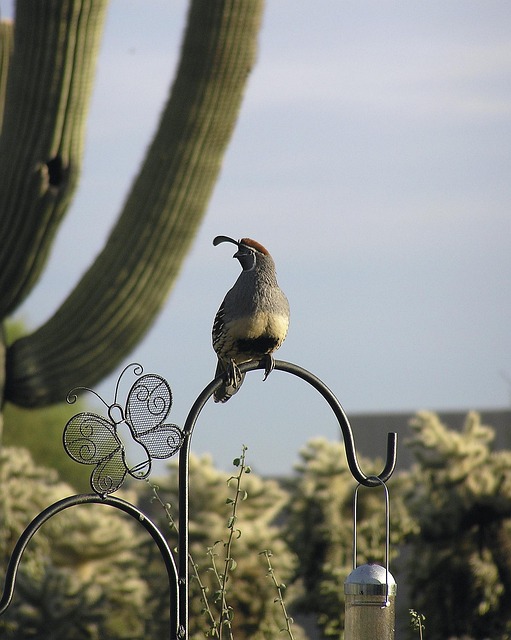
Southern Arizona is a cultural heartland rich in history and artistic expression, offering visitors and residents alike an immersive journey through time and tradition. The region’s art scene reflects its diverse heritage, with influences from Native American, Mexican, and American cultures creating a vibrant tapestry. This cultural fusion is evident in the myriad of galleries, museums, and public art installations scattered throughout the landscape. From ancient petroglyphs that whisper tales of early inhabitants to contemporary murals that celebrate the region’s bighorn sheep and desert flora, the artistic narrative unfolds naturally in every corner.
Exploring this cultural heartland involves delving into its historical roots, which are deeply intertwined with real estate development. The region boasts numerous historic districts and landmarks, such as the charming neighborhoods of Tucson’s Historic West End, where Victorian-era homes stand alongside art galleries and boutique shops. These areas not only hold aesthetic value but also play a crucial role in shaping the local economy, attracting tourists and young professionals alike. Similarly, the vibrant murals adorning building facades in cities like Bisbee and Sierra Vista are both artistic expressions and marketing tools for nearby real estate, enhancing property values and creating distinctive community identities.
For art enthusiasts, Southern Arizona offers countless opportunities to engage with its creative communities. Local art fairs and festivals, such as Tucson’s annual DesertX, bring together artists, musicians, and performers from around the world, showcasing the region’s dynamic artistic scene. Moreover, many artists find inspiration in the raw beauty of the Sonoran Desert, translating its rugged landscapes into captivating sculptures and paintings that adorn galleries and private collections worldwide. Understanding this rich cultural landscape is not just an experience but also a strategic consideration for real estate professionals, who can leverage the area’s unique artistic appeal to attract buyers seeking more than just a property—but a piece of Southern Arizona’s enduring legacy.