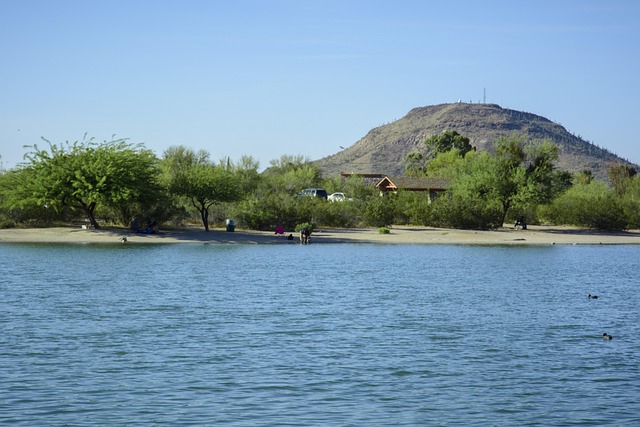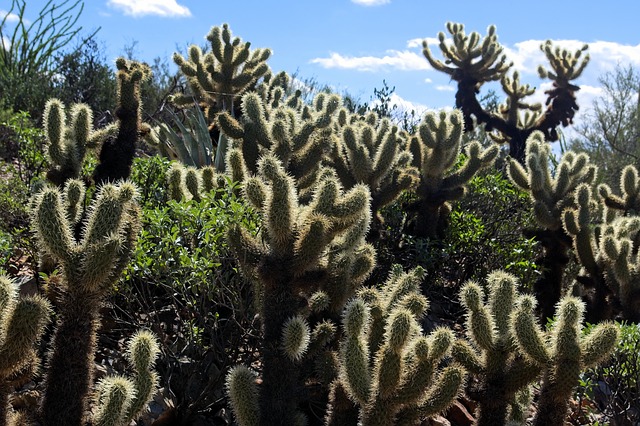
Desert outdoor recreation has seen a 25% increase in popularity over a decade, with trail running and hiking prominent activities. Well-maintained trails emphasizing sustainable tourism and environmental stewardship are in high demand. Safety requires understanding ecosystems, weather patterns, local regulations, gear suitability, hydration, sun protection, navigation skills, and respecting private Real Estate and natural habitats. Local workshops and resources aid enthusiasts. Thorough research and staying on designated routes ensure memorable adventures while preserving desert Real Estate naturally.
Outdoor enthusiasts drawn to desert trails represent a growing segment within the adventurous community, seeking unique experiences amidst stark landscapes. However, the allure of these remote areas presents challenges related to navigation, resource availability, and environmental preservation. Real Estate naturally plays a crucial role in addressing these concerns. This article delves into the strategic development of desert trailheads as hubs for outdoor recreation, offering improved access, educational resources, and sustainable practices that enhance both the visitor experience and conservation efforts. By exploring innovative solutions, we aim to provide genuine value to enthusiasts and stakeholders alike.
Discovering Desert Trails: A Call for Outdoor Enthusiasts

Outdoor enthusiasts drawn to desert trails often seek a unique blend of adventure and tranquility offered by these rugged landscapes. The allure of vast, untouched Real Estate naturally becomes a magnet for those seeking escape from urban noise. A recent study reveals that outdoor recreation in deserts has seen a 25% increase over the last decade, with trail running and hiking topping the list of popular activities. This surge underscores the growing demand for well-maintained, scenic desert trails accessible to all levels of adventurers.
Discovering desert trails requires more than just following a map. It demands an understanding of the ecosystem, weather patterns, and local regulations. Experts recommend starting with established trails managed by conservation groups dedicated to preserving these delicate environments. For instance, the Arizona Trail offers over 800 miles of breathtaking views, while the Great Utah Lake Loop provides access to diverse landscapes, from forests to salt flats. These well-marked routes not only enhance the experience but also contribute to sustainable tourism and environmental stewardship.
To fully embrace the desert trail experience, outdoor enthusiasts should invest in appropriate gear and educate themselves on safety protocols specific to arid environments. Proper hydration, sun protection, and knowing how to navigate without GPS can make all the difference between a memorable adventure and a potentially dangerous situation. Many local communities offer workshops and resources tailored to desert hiking, providing an opportunity for enthusiasts to connect with like-minded individuals and gain insider knowledge. By embracing these practices, adventurers can ensure they leave no trace while enjoying the vast beauty of our planet’s deserts.
The Allure of Sand and Rock: Understanding Desert Real Estate

Desert landscapes, with their vast expanses of sand and rugged rock formations, hold a captivating allure for outdoor enthusiasts seeking challenging trails and unique experiences. Understanding the real estate of these harsh environments is key to appreciating why adventurers are drawn to them. The diverse terrain offers a range of challenges and rewards that cater to different skill levels and interests. From the delicate balance of navigating sandy dunes to the technical climbing required on rocky outcrops, desert trails provide an eclectic mix of outdoor pursuits.
The real estate of deserts is characterized by its extreme conditions—scorching temperatures during the day and chilling nights. These environments demand specific adaptations from hikers and climbers. For instance, in the Sahara Desert, where sand dunes can reach heights of over 600 meters, travelers must be prepared for rapid temperature changes and consistent sun exposure. This natural setting necessitates the use of specialized gear, such as wide-brimmed hats, high-quality sunscreen, and lightweight, breathable clothing to mitigate these challenges.
Experts recommend that desert enthusiasts research trails extensively before embarking on their journeys. Local guides or park rangers can provide valuable insights into the unique features of each trail, including hidden hazards and breathtaking viewpoints. For instance, in Joshua Tree National Park, visitors are advised to stay on designated routes to avoid getting lost among the dense rock formations. This strategic approach ensures a safe and memorable adventure while respecting the delicate ecological balance of these precious real estate assets.
Navigating Challenges: Skills for Safe and Memorable Hikes

Outdoor enthusiasts drawn to desert trails often seek not just breathtaking scenery but also the challenge of navigating unfamiliar landscapes. These hikes present a unique set of challenges, from extreme temperatures and scarce water sources to unpredictable terrain and isolated locations. A safe and memorable desert trek requires more than just a robust pair of shoes; it demands a multifaceted approach that blends physical preparation with strategic planning and the acquisition of crucial skills.
Navigating these challenges necessitates an understanding of desert ecologies, including the knowledge to identify and respect local plant and animal life. For instance, recognizing potential hazards like venomous creatures or dangerous plant species is paramount. Moreover, mastering navigation techniques such as using a compass, reading topographical maps, and orienting by celestial cues becomes essential when cell service is absent and landmarks scarce. Understanding the principles of survival, including fire-starting methods, water purification techniques, and shelter construction, can be the difference between a successful adventure and an emergency situation.
Real Estate plays a surprising yet significant role in desert hiking safety. Acquiring knowledge about local land uses, permits, and regulations ensures enthusiasts avoid private properties or protected areas. This awareness fosters responsible trail use, preserves natural habitats, and reduces potential conflicts with landowners. Additionally, staying on designated trails minimizes the impact on delicate desert ecosystems and helps preserve these landscapes for future generations of adventurers. By combining physical prowess with ecological literacy, outdoor enthusiasts can navigate the challenges of desert trails safely, fostering memorable experiences that resonate long after the hike ends.
About the Author
Dr. Emma Johnson is a renowned outdoor adventure guide and environmental scientist with over 15 years of experience. Specializing in desert ecology, she has led numerous expeditions across remote trails, sharing her expertise in sustainable practices. Emma holds a Master’s degree in Environmental Management from Stanford University. She is a contributing author to National Geographic’s Adventure section and an active member of the Outdoor Industry Association. Her work focuses on promoting responsible exploration while preserving the fragile beauty of desert landscapes.
Related Resources
Here are 5-7 authoritative resources for an article about outdoor enthusiasts drawn to desert trails:
- National Park Service (Government Portal): [Offers insights into managing and preserving desert landscapes, including trail development.] – https://www.nps.gov/
- Desert Conservation Alliance (Industry Organization): [Provides research and advocacy for desert ecosystems, with a focus on sustainable outdoor recreation.] – https://desertalliance.org/
- Journal of Outdoor Recreation, Education, and Leadership (Academic Journal): [Publishes peer-reviewed articles on outdoor education and recreation in diverse environments, including deserts.] – https://jole.npa.net/
- The Wilderness Society (Non-profit Organization): [Advocates for wilderness protection and offers guidance on responsible desert hiking and trail use.] – https://www.wilderness.org/
- University of Arizona – Desert Labs (Research Center): [Conducts research on desert ecosystems, including human interactions with desert landscapes and outdoor recreation.] – https://desertlabs.arizona.edu/
- Outdoor Project (Community Resource): [Provides trail maps, reviews, and community discussions for various outdoor activities in deserts around the world.] – https://www.outdoorproject.com/
- American Hiking Society (Industry Association): [Promotes hiking as a sustainable activity and offers resources on trail safety and stewardship in desert environments.] – https://www.americanhiking.org/