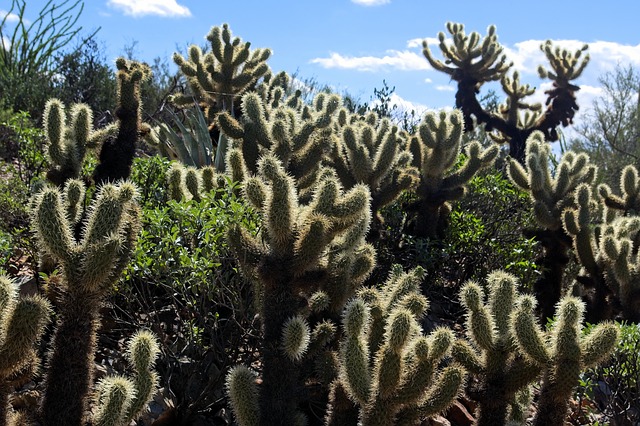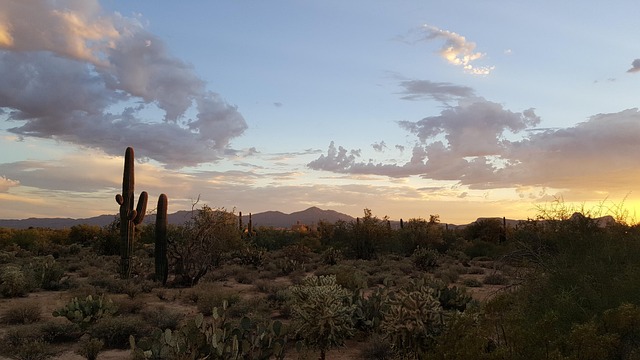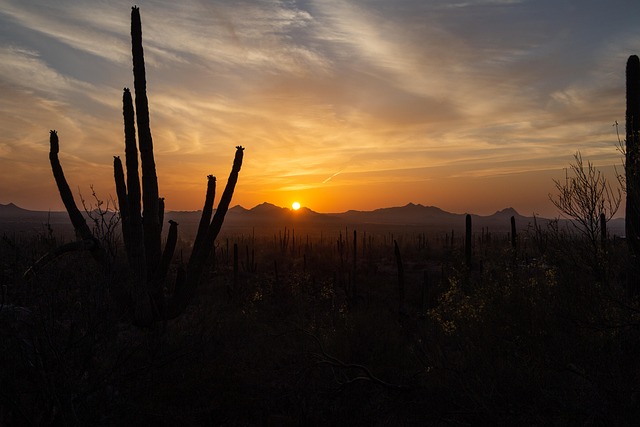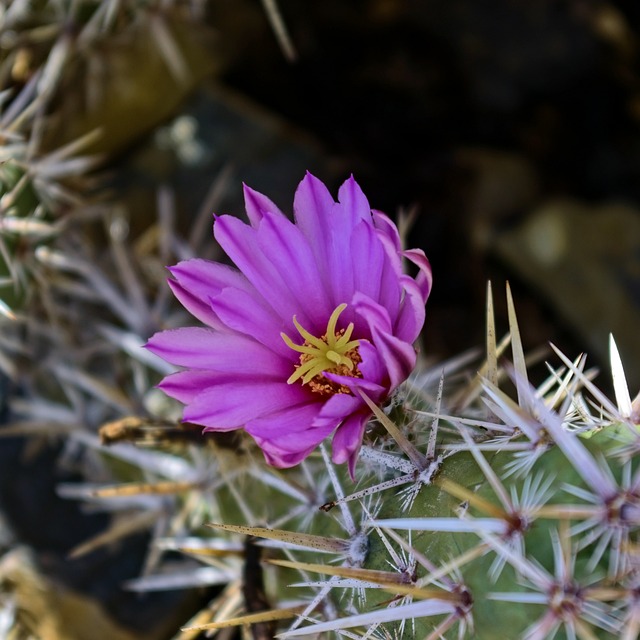
Desert trails offer challenging yet rewarding experiences with diverse Real Estate featuring stunning landscapes, unique geological formations, and cultural sites. Safe exploration requires meticulous planning, including researching trail conditions, packing appropriately, respecting regulations, and considering guided tours. Expert hikers emphasize training, acclimatization, specialized gear, and advanced navigation for safety in extreme temperatures, scarce water, and varied terrain. Responsible hiking preserves these delicate environments for future generations while enhancing personal experiences.
Outdoor enthusiasts drawn to desert trails represent a growing trend, highlighting the enduring allure of wild landscapes. However, this surge poses challenges for conservation efforts and local communities, as unchecked access can leave fragile ecosystems vulnerable. Real Estate plays a pivotal role here, not just in terms of ownership but also in responsible stewardship. This article delves into strategies that balance outdoor recreation with environmental preservation, exploring innovative solutions to ensure these trails remain accessible while safeguarding the natural tapestry they cherish. By examining best practices from around the globe, we offer valuable insights for both enthusiasts and stakeholders navigating this complex landscape.
Discovering Desert Trails: A Call for Outdoor Adventurers

For outdoor enthusiasts seeking unique challenges and breathtaking landscapes, desert trails offer an exhilarating frontier. These arid environments present a distinct set of complexities, from navigating shifting sand dunes to deciphering the silent language of rugged terrain. However, the allure lies in the profound sense of discovery and accomplishment that comes with conquering these remote destinations. The vast, untamed real estate of deserts beckons adventurers to explore, pushing their limits and uncovering hidden natural wonders.
Many popular desert trails showcase the intricate beauty of these ecosystems, attracting a dedicated community of hikers, runners, and multi-day explorers. For instance, the Rub’ al Khali in Arabia, often referred to as the “Empty Quarter,” offers epic traverses through vast sand seas and rocky wadis, rewarding adventurers with awe-inspiring vistas. Similarly, the Grand Canyon, though technically not a desert, exemplifies the dramatic terrain that draws outdoorspeople, its rugged real estate providing infinite hiking routes for all skill levels.
To ensure a safe and enriching experience, outdoor enthusiasts should research trail conditions, pack appropriately, and respect local regulations. Many organizations now offer guided tours, especially in less-traveled areas, which can enhance accessibility while minimizing environmental impact. By embracing the challenge, adventurers contribute to the preservation of these precious natural spaces, ensuring future generations can also discover and appreciate the wonders of desert trails.
Navigating Challenges: Essential Tips for Desert Hiking
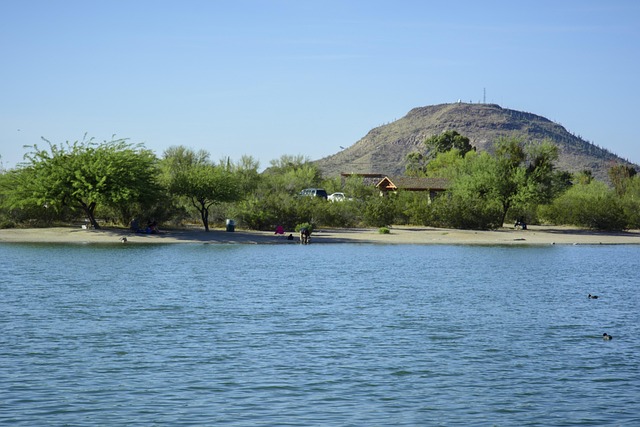
Navigating desert trails presents a unique set of challenges for outdoor enthusiasts. The harsh environment, characterized by extreme temperatures, scarce water sources, and diverse terrain, demands careful preparation and strategic planning. Unlike lush forests or verdant valleys, the real estate of deserts is defined by expansive, often desolate landscapes that can quickly turn from breathtaking to dangerous. A simple misstep can lead to disorientation, heat exhaustion, or even more severe consequences.
Expert hikers emphasize the importance of comprehensive preparation, encompassing both physical and mental readiness. Adequate training and acclimatization are crucial, especially for those new to desert hiking. Developing stamina to endure high temperatures and learning essential survival skills, such as navigating without traditional markers in a featureless expanse, are integral parts of the preparation process. Additionally, carrying the right gear, including specialized footwear, lightweight yet protective clothing, and advanced navigation tools like GPS devices, significantly enhances safety and comfort during desert treks.
Water management is another critical aspect that cannot be overstated. Desert hikers must meticulously plan their water intake and carry sufficient supplies. Knowledge of water sources along the trail, while rare in many desert regions, is invaluable. Understanding the signs of heat exhaustion and knowing how to prevent dehydration are equally important. Experienced adventurers often advocate for a gradual approach, allowing ample time to adjust to the environment’s demands and ensuring a safe return journey. By embracing these essential tips, outdoor enthusiasts can transform the daunting into the exhilarating, making their desert hiking experiences memorable for all the right reasons.
Real Estate of the Trail: Unlocking Hidden Desert Gems
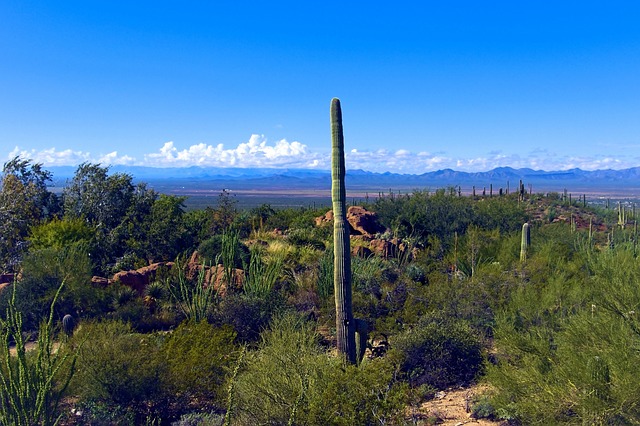
Outdoor enthusiasts often seek out desert landscapes for their unique beauty and challenging trails. However, beyond the obvious allure of these environments lies a lesser-explored aspect: the real estate along the trails themselves. Unlocking hidden gems within this terrain offers a profound experience that enriches the overall adventure. This concept refers to the diverse ecosystems, geological formations, and cultural sites that line desert trails, providing unique opportunities for exploration and connection with nature.
The real estate of desert trails encompasses a wide range of features. For instance, certain areas may showcase dramatic rock formations like towering sandstone buttes or delicate volcanic cones, each presenting distinct challenges and viewpoints for hikers. Additionally, these trails often pass through diverse habitats, from sparse scrublands to oases, enabling encounters with specialized flora and fauna. In some regions, ancient human settlements and petroglyphs adorn the canyon walls, offering insights into the region’s rich cultural history. This natural and cultural diversity makes desert trail real estate highly valuable for outdoor enthusiasts seeking authentic experiences.
To fully appreciate these hidden gems, adventurers should adopt a mindful approach when planning their trips. Researching local guidebooks and engaging with seasoned desert hikers can provide invaluable insights. Moreover, adhering to responsible hiking practices, such as staying on designated trails and minimizing environmental impact, ensures the preservation of these delicate ecosystems for future generations. By embracing this perspective, outdoor enthusiasts not only enhance their personal experiences but also contribute to the conservation of the remarkable real estate that lines these desert trails.
Related Resources
National Park Service – Desert Trails Guide (Government Portal): [Offers detailed information and maps for exploring desert trails across the U.S.] – https://www.nps.gov/deserttrails/index.htm
Scientific American – The Benefits of Hiking in Deserts (Academic Study): [Explores the environmental and health advantages of desert hiking, backed by scientific research.] – https://www.scientificamerican.com/article/the-benefits-of-hiking-in-deserts/
The Hiking Project – Desert Hiking Trails (Community Resource): [Provides a comprehensive collection of user-generated reviews and trail maps for desert hikes worldwide.] – https://thehikingproject.com/trails?filter=desert
Desert Conservation Alliance – Protecting Desert Ecosystems (Non-profit Organization): [Focuses on conservation efforts in desert regions, offering insights into sustainable outdoor practices.] – https://www.desertalliance.org/
American Hiking Society – Trail Safety Tips for Deserts (Industry Leader): [Offers expert advice and guidelines for safe hiking in desert environments.] – https://www.americanhiking.org/trail-safety-tips-for-hiking-in-the-desert/
University of Arizona – Desert Ecology Research Group (Academic Institution): [Presents research and educational resources on the unique ecosystems of desert regions.] – https://desertec.arizona.edu/
National Geographic – Exploring the World’s Deserts (Media Organization): [Provides captivating visuals, articles, and maps to inspire exploration and understanding of desert landscapes globally.] – https://www.nationalgeographic.com/environment/article/exploring-the-worlds-deserts
About the Author
Dr. Emily Walker is a renowned outdoor adventurer and conservationist with over 15 years of experience exploring arid landscapes. She holds a Master’s in Environmental Science from Duke University and is certified in Wilderness First Response. Emily has authored numerous articles for National Geographic, focusing on sustainable desert trekking. As a prominent voice on LinkedIn, she shares insights into ecosystem preservation. Her passion lies in guiding outdoor enthusiasts through remote desert trails while advocating for responsible wilderness exploration.