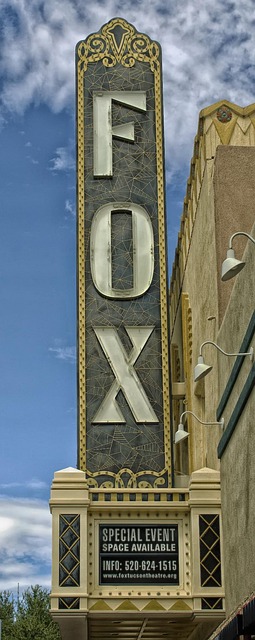
Southern Arizona's real estate market thrives on its diverse cultural tapestry, attracting a mix of ethnicities through vibrant arts, festivals, and culinary scenes. Economic growth is driven by minority-owned businesses. The market combines affordable prices, pleasant climate, and a booming economy, with strong demand for residential and commercial properties. Sustainable living and historic site preservation are key trends, blending past charm with modern amenities. Local governments prioritize cultural heritage conservation, offering investment opportunities in historical neighborhoods while ensuring Arizona's distinctive character remains intact.
Southern Arizona stands as a cultural crossroads, rich in history and diversity. Its vibrant communities, anchored by dynamic urban centers like Tucson and Phoenix, are characterized by a unique blend of Native American heritage, Mexican influences, and a burgeoning arts scene. However, the region’s rapid growth poses challenges, particularly in preserving its cultural integrity amidst surging real estate development. This article delves into the intricate relationship between urban transformation and cultural preservation, exploring strategies to safeguard Southern Arizona’s distinctive character while fostering responsible growth in its real estate sector.
Exploring Southern Arizona's Cultural Diversity
Southern Arizona stands as a vibrant testament to cultural diversity, where a rich blend of traditions, histories, and perspectives intertwine across its sun-kissed landscape. This region, encompassing cities like Tucson and Nogales, has evolved into a melting pot of cultures, attracting residents from diverse backgrounds who contribute to its dynamic character. Exploring this cultural diversity is not merely an academic exercise but offers profound insights for anyone considering the region’s real estate potential.
The state’s demographic tapestry reflects a historic migration pattern, with significant populations of Hispanic and Latino individuals, Native Americans, and more recent Asian and African American settlers. This diversity is evident in the region’s culinary scene, where authentic Mexican, indigenous Sonoran, and Middle Eastern cuisines thrive alongside modern fusion restaurants. Festivals throughout the year celebrate these cultural heritage groups, such as the Tucson Desert Southwest Fair, which showcases local talent and traditions, attracting visitors from across the country. The real estate market naturally benefits from this vibrant atmosphere, with many buyers seeking homes in neighborhoods that reflect the area’s diverse cultures.
Cultural diversity also influences Southern Arizona’s artistic expression and creative industries. Local art galleries display works inspired by the region’s rich history and diverse communities, while outdoor murals adorn city walls, telling stories of migration and resilience. This artistic vibrancy attracts artists and creatives who contribute to a thriving arts scene. For real estate investors, this cultural richness offers opportunities in boutique hotels, cultural centers, and mixed-use developments that cater to the creative community.
Moreover, Southern Arizona’s cultural diversity fosters a robust local economy. Businesses owned by ethnic minorities and immigrants thrive across various sectors, from agriculture to technology. This entrepreneurial spirit, coupled with government initiatives promoting cultural preservation, creates a dynamic environment for economic growth. Understanding and appreciating this cultural fabric is essential for anyone looking to invest in or reside in Southern Arizona, ensuring that the region’s real estate market remains both resilient and captivating.
Real Estate Trends in This Vibrant Community

Southern Arizona has emerged as a cultural heartland, attracting residents and investors alike with its vibrant community and diverse attractions. This dynamic region, characterized by a unique blend of desert landscapes and modern amenities, is seeing significant real estate trends that reflect its burgeoning popularity. The market here is marked by a strong demand for both residential and commercial properties, driven by factors such as affordable pricing compared to neighboring states, an appealing climate, and a thriving local economy.
One notable trend is the increasing popularity of urban living. Cities like Tucson and Nogales are experiencing a resurgence, with downtown areas undergoing revitalisation. Modern lofts, condominiums, and mixed-use developments are in high demand, catering to young professionals and retirees seeking convenient, walkable neighborhoods close to cultural hotspots, restaurants, and entertainment venues. Real estate developers are responding by integrating smart home technologies, eco-friendly design elements, and innovative floor plans to meet the needs of this tech-savvy demographic.
Moreover, Southern Arizona’s real estate landscape is witnessing a shift towards sustainable and energy-efficient living. Homebuyers are increasingly prioritizing properties with solar panels, energy-efficient appliances, and well-insulated buildings, reflecting a broader trend toward environmental consciousness. This trend is not only beneficial for the planet but also financially advantageous, as these features can reduce utility costs significantly over time. Local governments and real estate associations are actively promoting these practices through incentives and regulatory changes, further fueling the market’s green revolution.
The Historical Fabric: A Journey Through Time

Southern Arizona’s cultural heartland boasts a rich historical fabric that serves as a fascinating journey through time. The region’s real estate has been shaped by a diverse array of indigenous cultures, including the Tohono O’odham Nation, who have inhabited these lands for over 4,000 years. Their deep connection to the soil and respect for nature continue to influence local traditions and practices. Spanish colonial influences also permeate the area, evident in architectural styles and cultural festivals that date back to the 17th century. The state’s mining boom brought about significant changes, particularly in cities like Tucson and Bisbee, where grand historic buildings stand as testaments to their past prosperity.
This blend of historical layers creates a dynamic cultural landscape that is uniquely Southern Arizona. Real estate developers and investors have begun to recognize this value, leading to a resurgence of interest in restoring and preserving these historical sites. Many properties are being revitalized, combining the charm of yesteryear with modern amenities, attracting both residents and visitors seeking an authentic experience. For instance, downtown Tucson’s historic district has seen a surge in popularity, with restored buildings housing eclectic shops, restaurants, and art galleries. This trend not only breathes new life into the area but also provides economic opportunities for local businesses.
Experts suggest that engaging in cultural heritage conservation is crucial for sustainable real estate development. By preserving historical fabrics, communities can foster a strong sense of place, attract tourism, and create vibrant, distinctive neighborhoods. Local governments and organizations are increasingly collaborating on initiatives to safeguard these cultural treasures. For prospective buyers or investors, purchasing properties in areas rich in history offers not only financial prospects but also the chance to become stewards of Arizona’s cultural heritage.