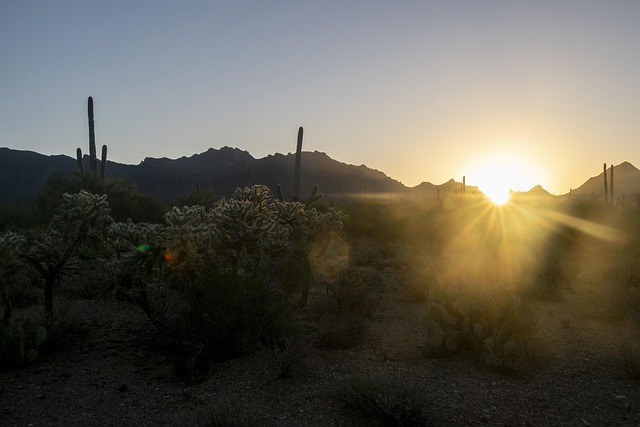
Desert trails offer a unique blend of challenge and tranquility, attracting adventurers seeking connection with nature through diverse real estate like sand dunes and hidden oases. Exploring these trails requires understanding ecologies and challenges, including extreme heat, flash floods, and wildlife encounters. Local expertise, practical advice, and educational programs enrich the experience. Balancing access with conservation is crucial, considering public access rights and climate change mitigation while implementing low-impact hiking principles and promoting user education to preserve fragile ecosystems and private lands for future generations.
Outdoor enthusiasts drawn to desert trails face a growing challenge: finding pristine, accessible real estate that caters to their adventurous spirit. The allure of arid landscapes for hiking, camping, and off-roading is undeniable, but urbanization and tourism pressures are fragmenting these natural spaces. This article delves into the complexities of preserving and expanding outdoor recreational opportunities in desert regions, offering insights from leading experts on sustainable land management, community engagement, and innovative solutions that balance nature conservation with adventurous access for all.
Discovering Desert Trails: A Guide for Outdoor Adventurers

Desert trails offer outdoor enthusiasts a unique blend of challenge and tranquility, drawing adventurers from all walks of life. These rugged landscapes, often overlooked in favor of more verdant destinations, present an opportunity for profound connection with nature. The real estate of these vast deserts is naturally diverse, boasting sand dunes, rocky outcrops, and hidden oases that cater to various skill levels and interests. This guide aims to illuminate the allure of desert trails and equip outdoor adventurers with practical insights for navigating these captivating environments safely and effectively.
Discovering desert trails requires a nuanced understanding of their unique ecologies and challenges. Unlike well-trodden forest paths, desert trails can be labyrinthine, demanding careful planning and preparation. Adventurers should research trail conditions, weather patterns, and potential hazards such as extreme heat, flash floods, and wildlife encounters. Local expertise and guide services can be invaluable for navigating these complexities, ensuring a safe and enriching experience. For instance, a seasoned guide might point out rare desert flora or share insights on tracking skills essential for self-reliance in remote areas.
Practical advice abounds for those eager to explore desert trails. Wearing appropriate footwear, carrying sufficient water, and packing a well-equipped first aid kit are non-negotiable. Additionally, understanding navigation techniques, such as using the sun’s position or employing GPS devices, can enhance safety and enjoyment. Many desert regions also offer educational programs that teach about the local culture and history, enriching the adventure with context and meaning. Ultimately, embracing the spirit of exploration, remaining mindful of one’s impact on these delicate ecosystems, and respecting the inherent challenges of desert trails will result in unforgettable experiences.
The Allure of Sand and Stone: Understanding Enthusiast Motivation
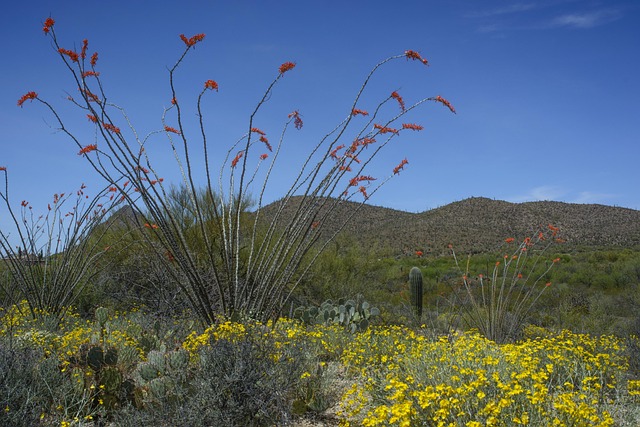
For outdoor enthusiasts, the desert offers a unique allure that transcends its harsh conditions. The stark beauty of sand and stone, combined with the sense of solitude and challenge, draws adventurers from all walks of life. These trails, often overlooked in favor of lush landscapes, provide a different kind of real estate—one that tests physical limits and cultivates a profound connection with nature. A study by the Outdoor Industry Association reveals that over 70% of outdoor enthusiasts actively seek out extreme terrain, highlighting the growing desire for these rugged experiences.
The motivation behind this trend is multifaceted. Many find solace in the desert’s tranquility, its vast expanse offering a stark contrast to daily life’s hustle and bustle. The desert’s ability to foster mindfulness and introspection is well-documented; it encourages a slow pace and demands presence, allowing individuals to disconnect from digital distractions and reconnect with their surroundings. Additionally, the physical challenges posed by desert trails appeal to adventurers seeking a test of their endurance and skill. Navigating through shifting sands, scaling rocky outcrops, and enduring extreme temperatures all contribute to a sense of accomplishment that is uniquely rewarding.
Understanding this fascination with sand and stone is crucial for tourism boards and outdoor gear manufacturers alike. By catering to these enthusiasts, regions can boost local economies and create sustainable tourism models centered around unique natural assets. Offering well-marked trails, accessible real estate information, and organized excursions can enhance the experience while ensuring responsible exploration. For outdoor brands, this trend presents an opportunity to innovate gear designed for durability and versatility in harsh environments, thereby enabling enthusiasts to safely embrace these adventurous journeys.
Real Estate of the Trail: Navigating Desert Conservation and Access

Outdoor enthusiasts drawn to desert trails face a unique challenge: navigating the intricate landscape of desert conservation and access. The real estate along these routes is as diverse as it is demanding, encompassing fragile ecosystems, private lands, and protected areas. Understanding this dynamic terrain is crucial for responsible recreation and trail management.
One of the primary considerations is public access rights. In many regions, desert trails pass through private ranches or indigenous reservations, requiring careful negotiation to ensure sustainable use without compromising local communities’ livelihoods or cultural sites. For instance, in the southwestern United States, land-use agreements between outdoor recreation groups and landowners have facilitated responsible trail access while preserving the region’s unique real estate assets. Data from the U.S. Forest Service shows that such partnerships can significantly enhance trail accessibility while minimizing environmental impact.
Moreover, climate change exacerbates the need for prudent conservation strategies. Increasing temperatures and altered precipitation patterns make desert ecosystems even more vulnerable. Trail developers must consider these changes when planning routes, selecting materials, and designing drainage systems to ensure trails remain functional and safe. For example, using permeable surfaces and strategically placed water stations can mitigate environmental disruption while providing vital resources for hikers.
To foster sustainable outdoor experiences, trail managers should engage in proactive conservation efforts. This includes conducting regular assessments of trail impact on local flora and fauna, incorporating principles of low-impact hiking, and promoting educational initiatives among users. By embracing these strategies, outdoor enthusiasts can contribute to the preservation of desert real estate for future generations, ensuring that these invaluable landscapes remain accessible and intact.