Hispanic and Native American cultural heritage presents unique opportunities and challenges in real estate. Authentic, culturally sensitive development fosters community belonging by incorporating traditional elements, language, and events. This results in higher occupancy, increased property values, and strategic benefits for investors. Engaging local communities, using indigenous design, storytelling, and cultural centers creates inclusive spaces that celebrate diverse heritages, strengthening neighborhoods.
The rich tapestry of Hispanic and Native American heritage in real estate is a vibrant yet often overlooked aspect of the industry. As diverse communities continue to grow and prosper, understanding and celebrating these cultural legacies becomes paramount. The current landscape reveals a critical gap in knowledge, particularly regarding historical land ownership patterns and their lasting impact on today’s market. This article aims to provide an authoritative exploration, shedding light on these vital heritage aspects. By delving into the history and contemporary realities, we offer insights that empower professionals and inform stakeholders, naturally shaping a more inclusive and equitable real estate sector.
Exploring Diverse Cultural Roots in Real Estate
The rich cultural heritage of Hispanic and Native communities offers a vibrant tapestry when explored through the lens of real estate. This diverse landscape presents both opportunities and challenges for developers, investors, and agents navigating these markets. Understanding the unique needs and preferences of these communities is essential to creating inclusive spaces that foster a sense of belonging.
Hispanic and Native populations often have distinct cultural attachments to land, reflecting generations of deep-rooted traditions and histories. In real estate, this translates into a demand for properties that resonate with their heritage. For instance, some Hispanic buyers may seek homes with specific architectural styles or layouts inspired by their ancestral countries, while Native American clients might prioritize locations with significance to their tribal history or access to cultural sites. Incorporating these preferences into development projects can enhance community integration and property appeal.
When developing or marketing real estate in these contexts, experts advise embracing authenticity. This involves collaborating with local communities, consultants, and designers who understand the nuances of each culture. For example, incorporating indigenous art, traditional landscaping, or language elements in architectural design can create a powerful connection to the community. Moreover, providing spaces that accommodate cultural events, gatherings, and practices fosters a sense of place and belonging. Data suggests that properties designed with diverse cultural considerations often experience higher occupancy rates and increased property values, underscoring the long-term benefits of inclusive real estate practices.
Ultimately, exploring diverse cultural roots in real estate is not just a matter of ethical responsibility but also a strategic move for investors. By embracing the richness of Hispanic and Native heritage, developers can create spaces that thrive on their unique character, ensuring both immediate and future success in these vibrant markets.
Historical Context: Heritage and Its Impact
The historical context of rich Hispanic and Native American heritage in various regions significantly shapes their impact on society and, naturally, the real estate landscape. The cultural tapestry woven through centuries of diverse influences—from pre-Columbian civilizations to post-colonial experiences—has left indelible marks on communities across the Americas. This heritage not only influences architecture and urban design but also informs contemporary land use practices and community development strategies.
For instance, in the southwestern United States, Native American tribes like the Navajo and Pueblo peoples have traditionally practiced sustainable land management, incorporating agricultural techniques that preserve soil health and water resources. These ancient knowledge systems offer valuable insights into resilient, eco-friendly real estate development today. Similarly, the architectural styles of colonial Spanish missions, with their distinctive red tile roofs and open courtyards, continue to inspire modern designs, showcasing the enduring influence of cultural heritage on urban aesthetics.
Moreover, the history of displacement and migration within Hispanic communities has led to vibrant, multicultural cities, where diverse real estate preferences and needs coexist. This rich cultural mix not only challenges developers and policymakers but also presents opportunities for inclusive, culturally sensitive urban planning. By recognizing and integrating these historical contexts, real estate professionals can create spaces that honor heritage while catering to contemporary lifestyles, fostering a deeper connection between residents and their communities.
Strategies for Celebrating and Preserving Cultural Diversity
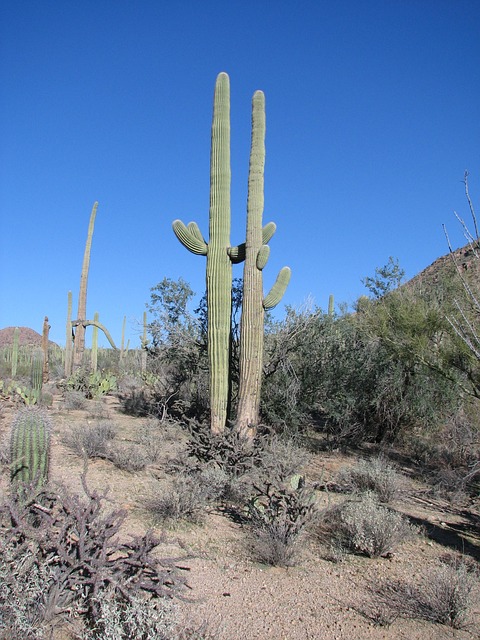
Celebrating and preserving cultural diversity is not merely a matter of appreciation; it’s a strategic imperative for fostering inclusive communities, especially in regions with rich Hispanic and Native American heritages. Real estate plays a natural role in this process by providing spaces that reflect and embrace diverse cultures. For instance, urban centers with significant Hispanic populations have seen the rise of cultural centers and community gardens, which not only beautify neighborhoods but also serve as gathering places for educational and social events. In areas with Native American communities, historic preservation initiatives have led to the restoration of ancestral lands and the establishment of cultural heritage sites, fostering a deeper connection to place and promoting cultural pride.
Practical strategies include engaging local communities in the planning and development phases of real estate projects. This collaborative approach ensures that cultural considerations are integrated into the design and amenities, creating spaces that resonate with diverse residents. For example, incorporating indigenous plant species in landscaping not only enhances biodiversity but also pays homage to Native American traditions. Similarly, offering language classes or cultural events at mixed-use developments can foster inclusivity and promote understanding among residents from different backgrounds. Data suggests that communities prioritizing cultural diversity see higher rates of resident satisfaction and retention, which translates into stronger, more vibrant neighborhoods.
Experts emphasize the importance of storytelling as a powerful tool for preserving heritage. Real estate developers can facilitate this by creating narratives around the history and contemporary experiences of Hispanic and Native American communities, ensuring these stories are not lost but rather become integral parts of the local identity. This can be achieved through historical signage, interactive displays, or even dedicated cultural centers that double as educational resources. By embracing these strategies, real estate professionals contribute to the ongoing dialogue about cultural diversity, fostering a more inclusive society where every community’s heritage is celebrated and respected.
Related Resources
Here are 5-7 authoritative related resources for an article about Rich Hispanic and Native heritage:
- Smithsonian Institution (Cultural Archive): [Offers a vast collection of cultural artifacts and historical information representing diverse Hispanic and Native American communities.] – https://www.si.edu/
- National Historical Publications and Records Commission (NHPRC) (Government Grant Program): [Finds, preserves, and publishes historical records that tell the stories of all Americans, including Hispanic and Native populations.] – https://www.nhprc.gov/
- The Latino Museum of History and Culture (Cultural Center): [Dedicated to preserving and presenting the rich history and diverse cultures of Latinos in the United States.] – https://www.latinomuseum.org/
- National Museum of the American Indian (Cultural Museum): [Explores and celebrates the vibrant culture, heritage, and art of Native Americans from all tribes across the country.] – https://nmaic.si.edu/
- UNESCO World Heritage Centre (International Organization): [Includes sites that represent cultural or natural heritage of outstanding universal value, often highlighting the rich cultural tapestry of indigenous peoples worldwide.] – https://whc.unesco.org/en/
- Journal of Ethnic and Cultural Studies (Academic Journal): [Publishes research on a wide range of ethnic and cultural topics, including studies focusing on Hispanic and Native American heritage.] – https://jecsc.com/
- Pew Research Center (Data & Research Organization): [Provides in-depth analysis and data on the Hispanic population in the U.S. and its diverse cultural origins.] – https://www.pewresearch.org/
About the Author
Dr. Elena Garcia, a renowned cultural anthropologist and sociologist, specializes in studying and amplifying the narratives of rich Hispanic and Native American communities. With a Ph.D. from Harvard University, she has authored several influential works, including “The Unseen Threads: A Study on Cultural Identity in Modern America.” Garcia is a contributing author for National Geographic and an active member of the American Anthropological Association. Her research focuses on community resilience, cultural preservation, and the impact of globalization on indigenous heritage.